
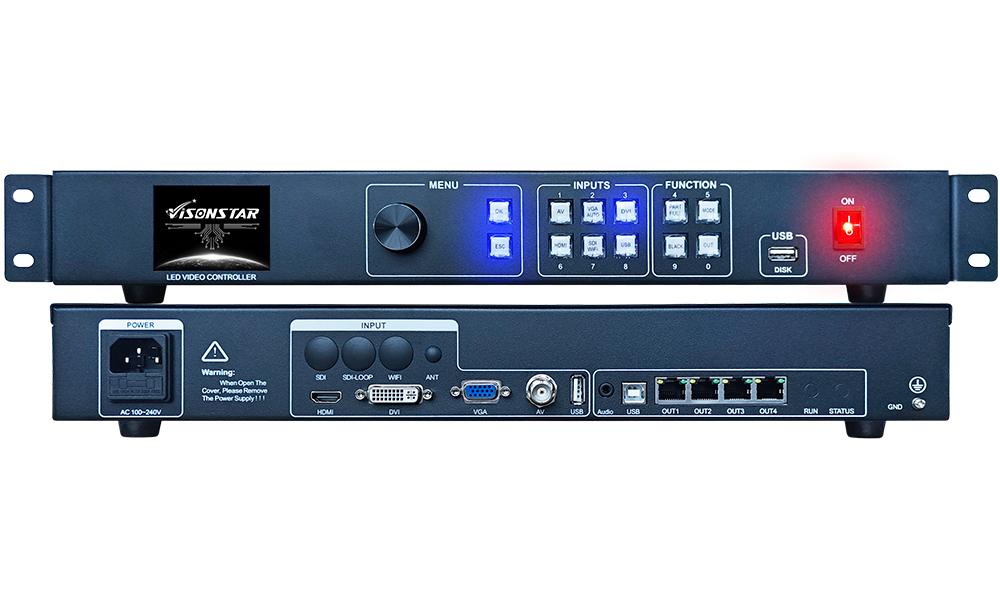
 VS Series
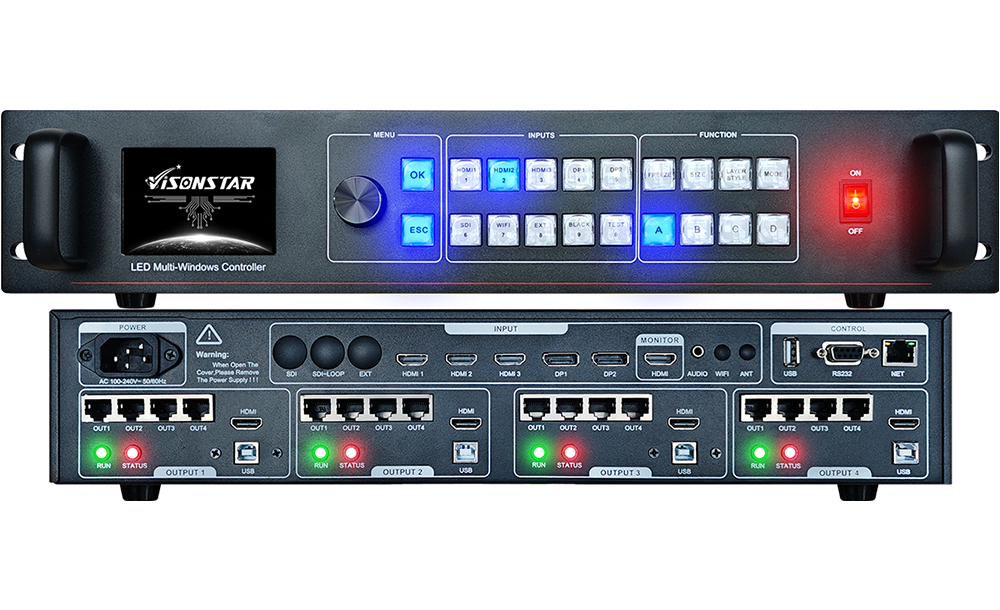 EX Series
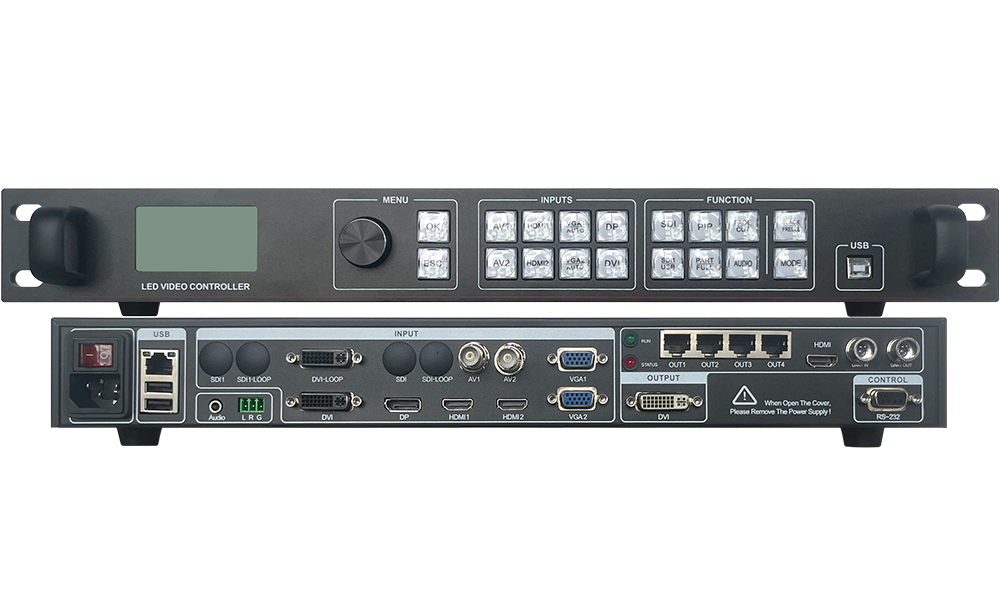 Multi-Windows Series
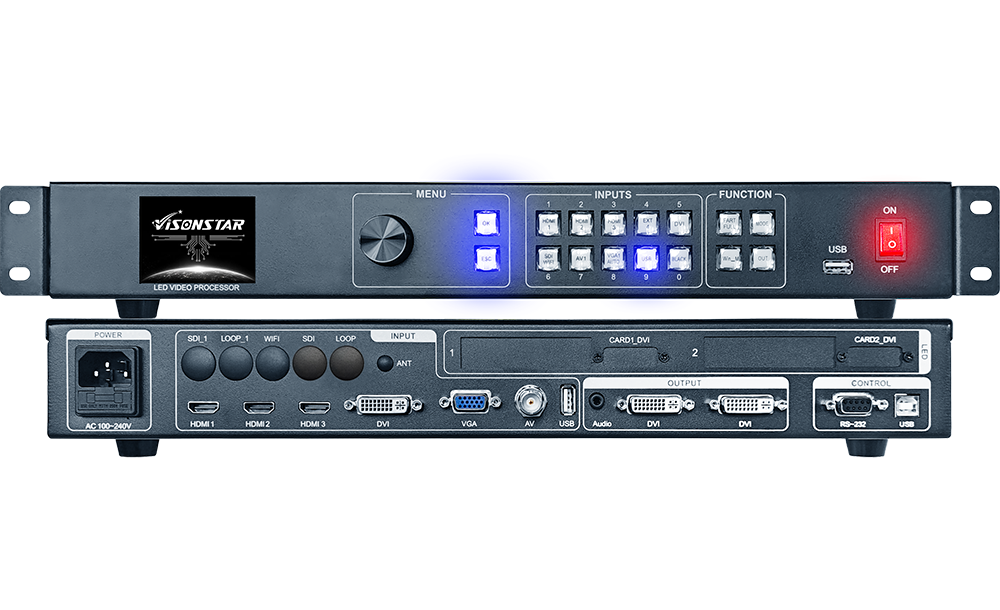 Video Processor
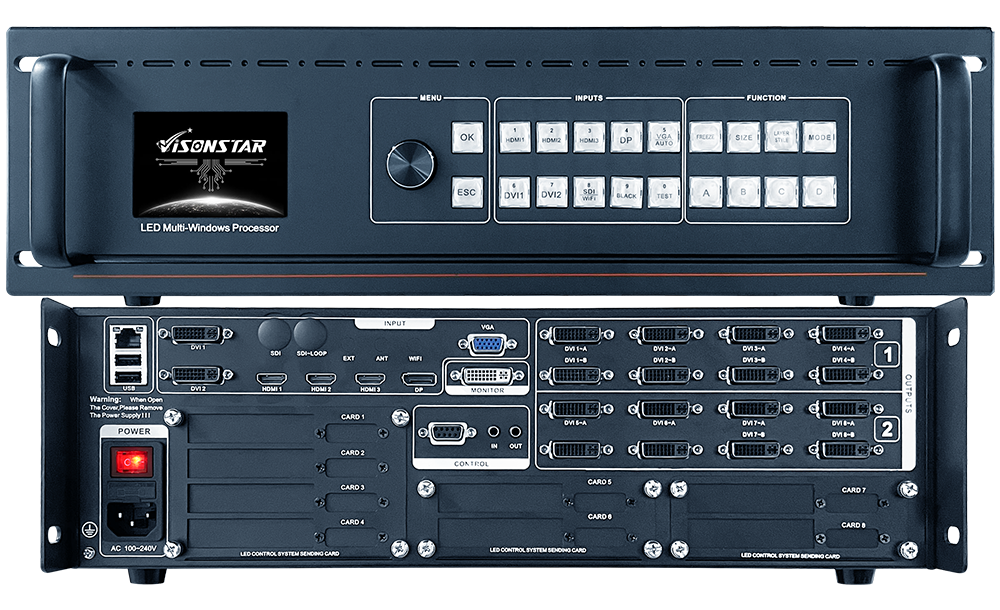 Video Splicer
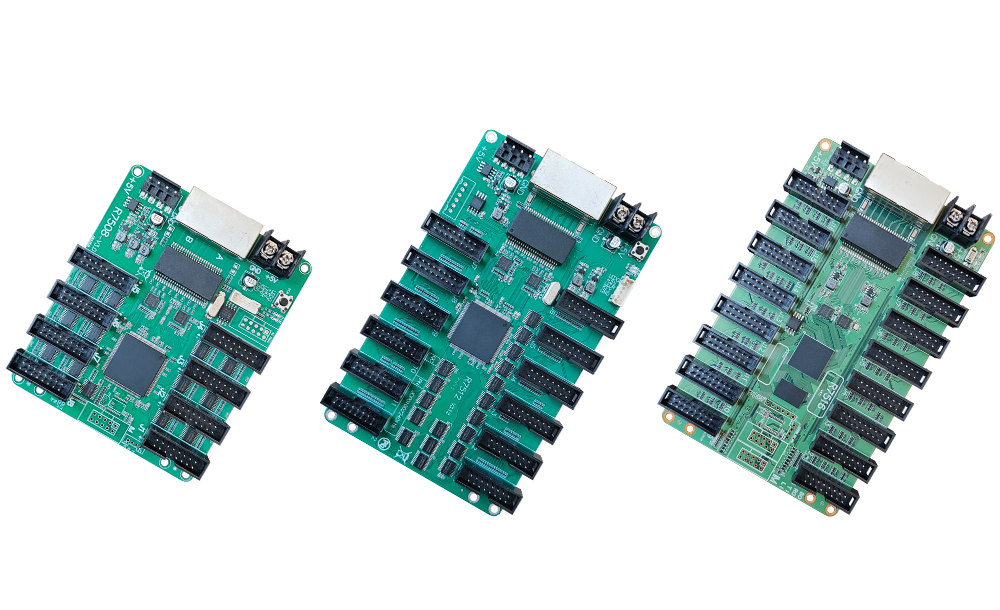 Receiving Card
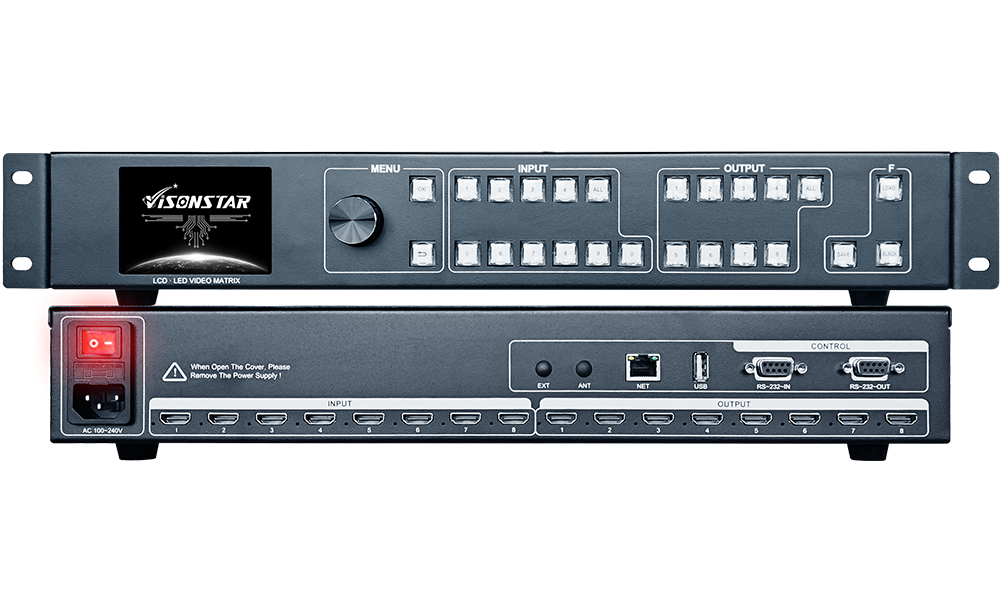 Video Matrix
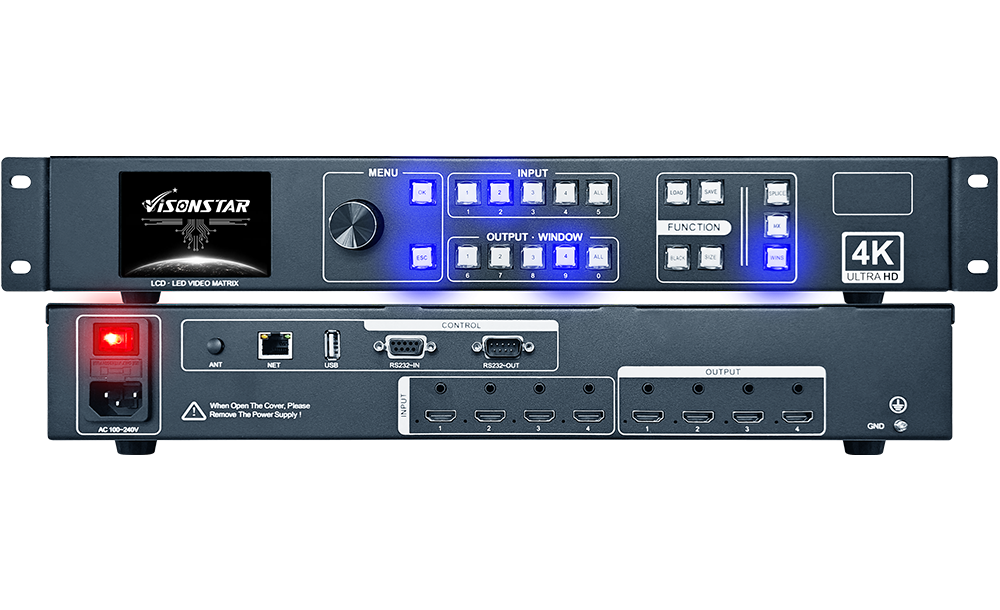 4K Matrix
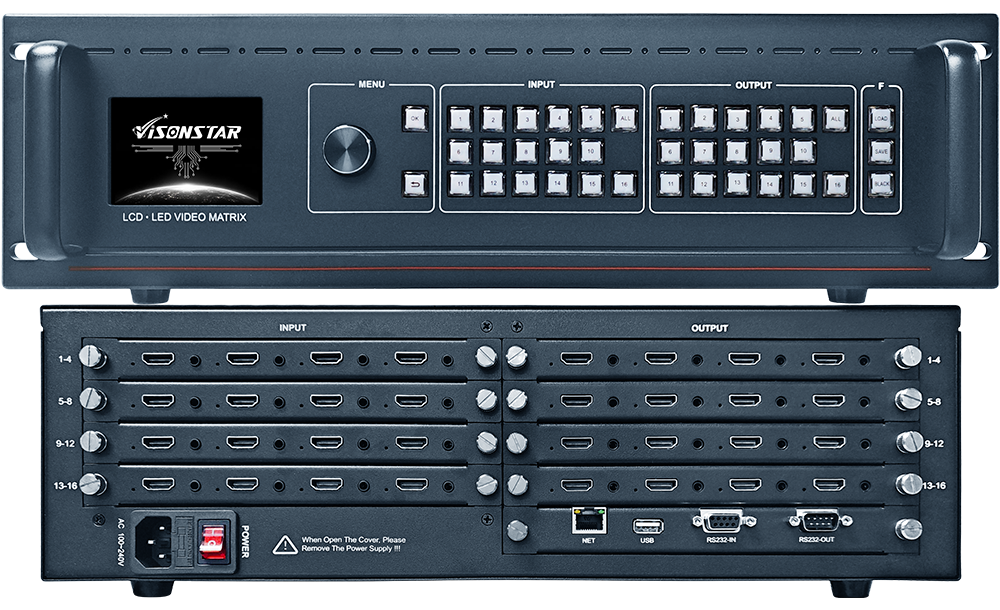 Plug-in Matrix
 Multiviewer & Splicer
 Signal Distributor
 Signal Switcher
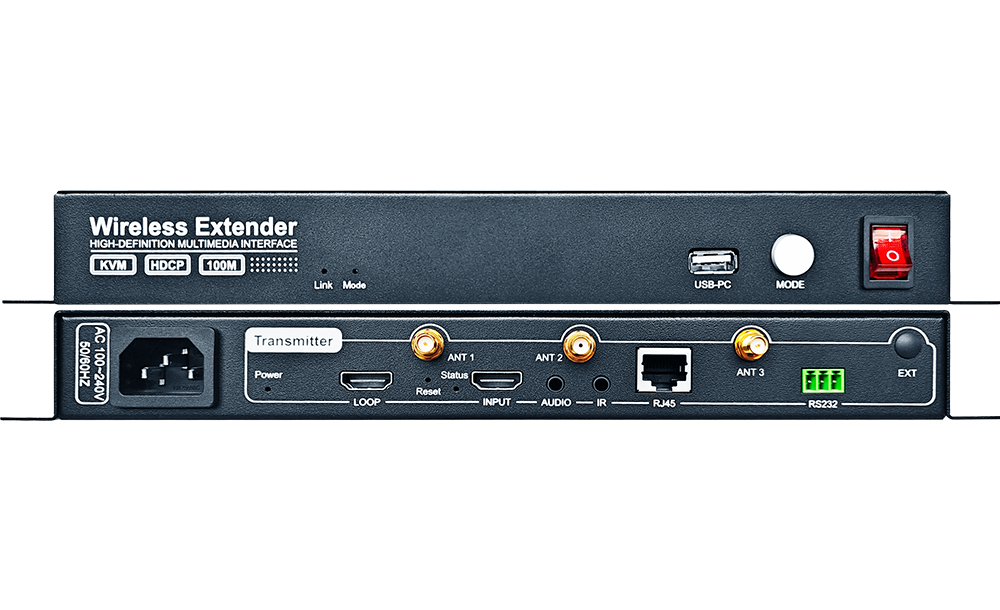 Wireless Extender
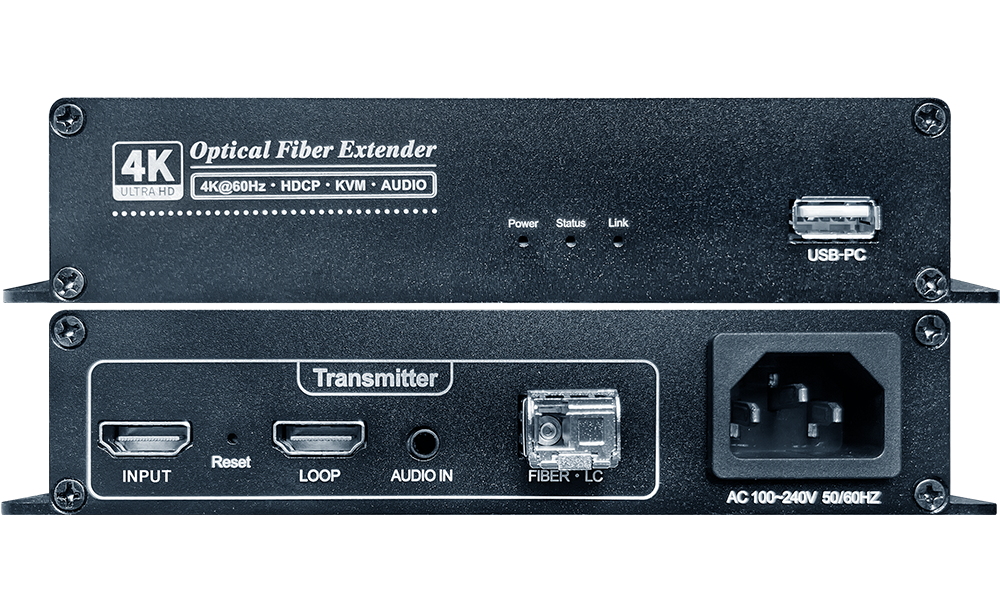 Optical Extender
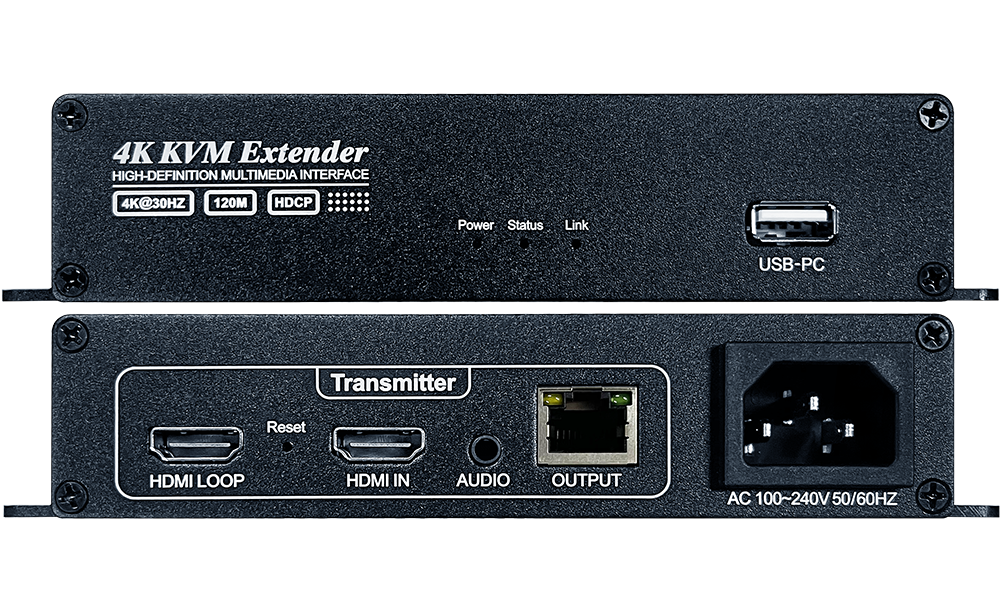 Network Extender
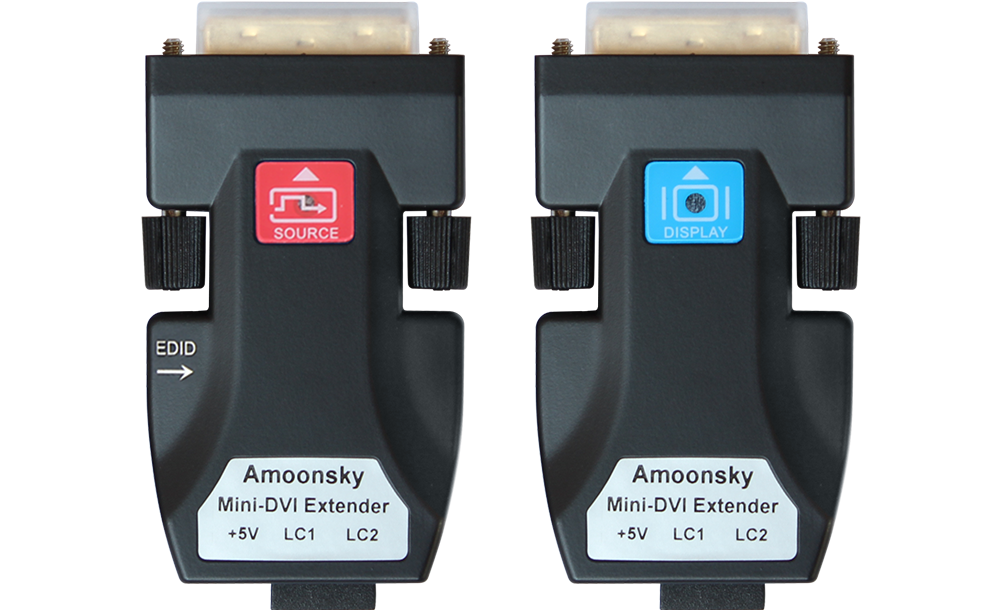 DVI Optical Extender
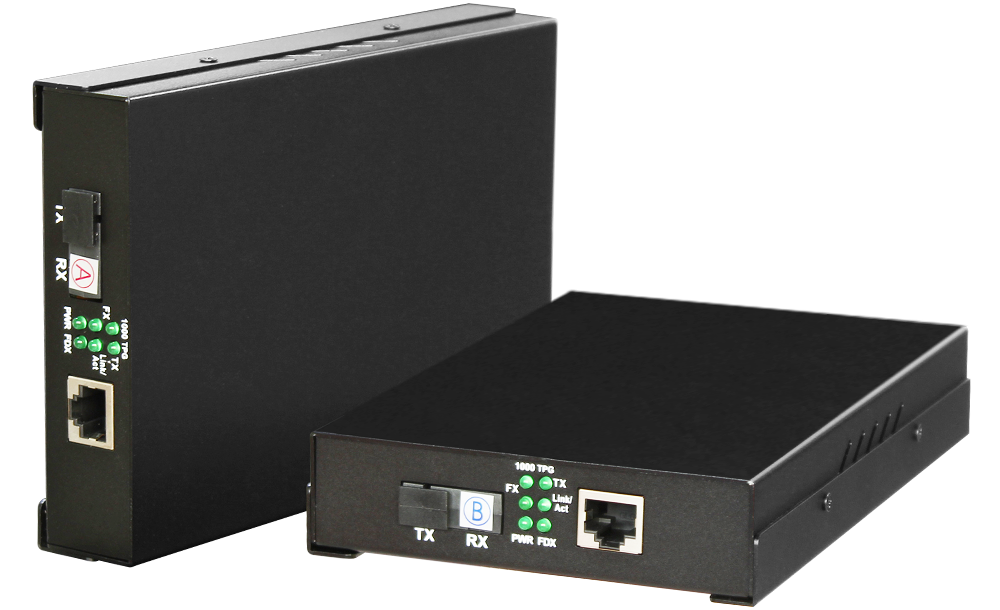 LED Optical Transceiver
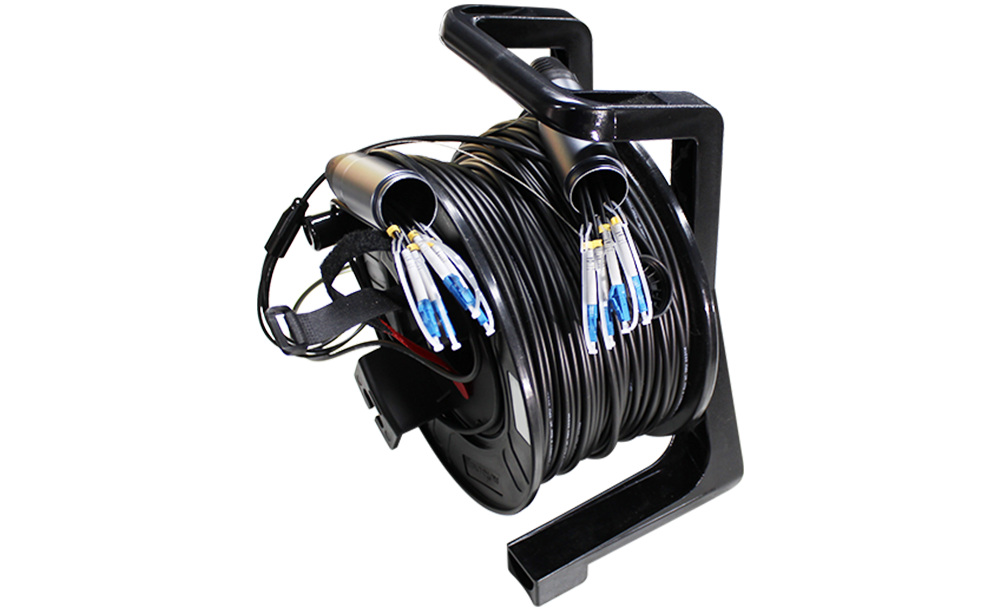 Optic Fiber
 Flight Case
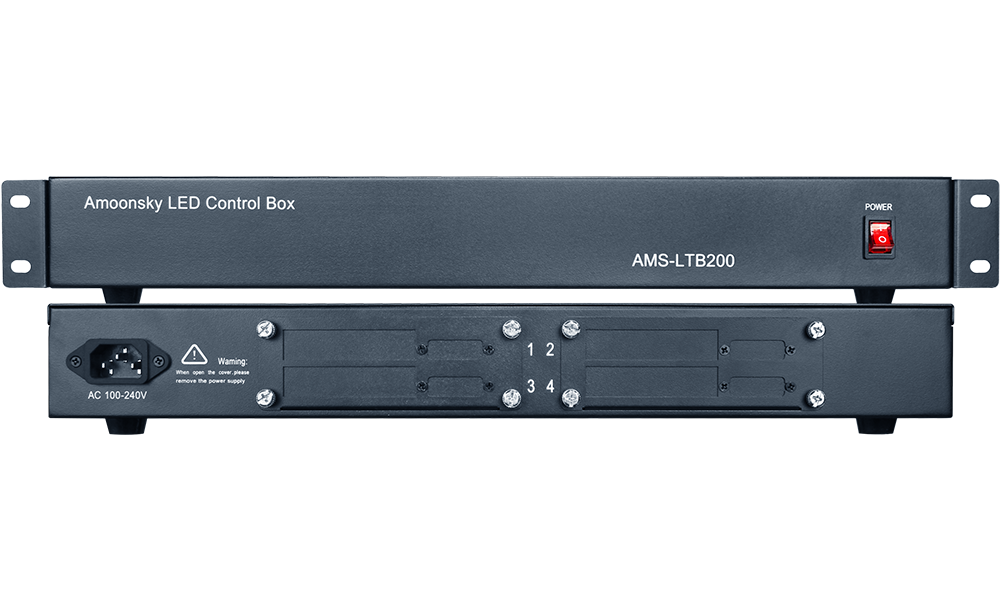 LED Sending Box
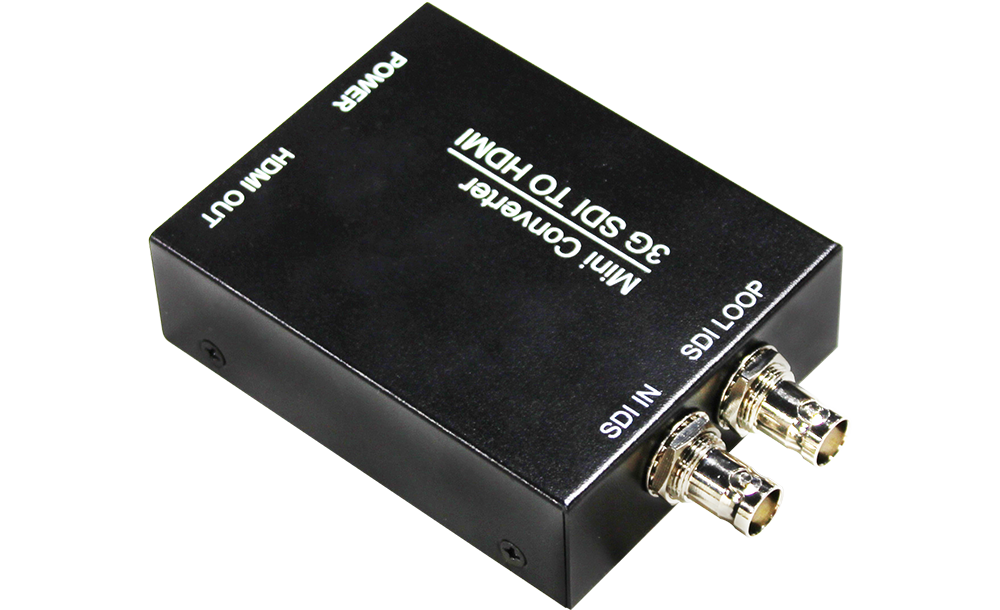 SDI Converter
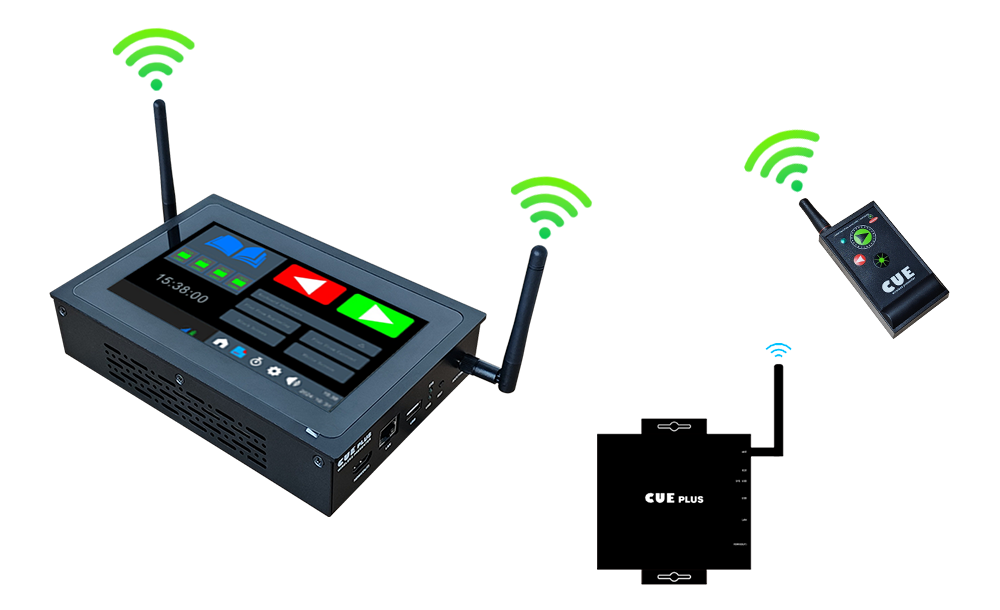 PPT Page Flipper And Timer
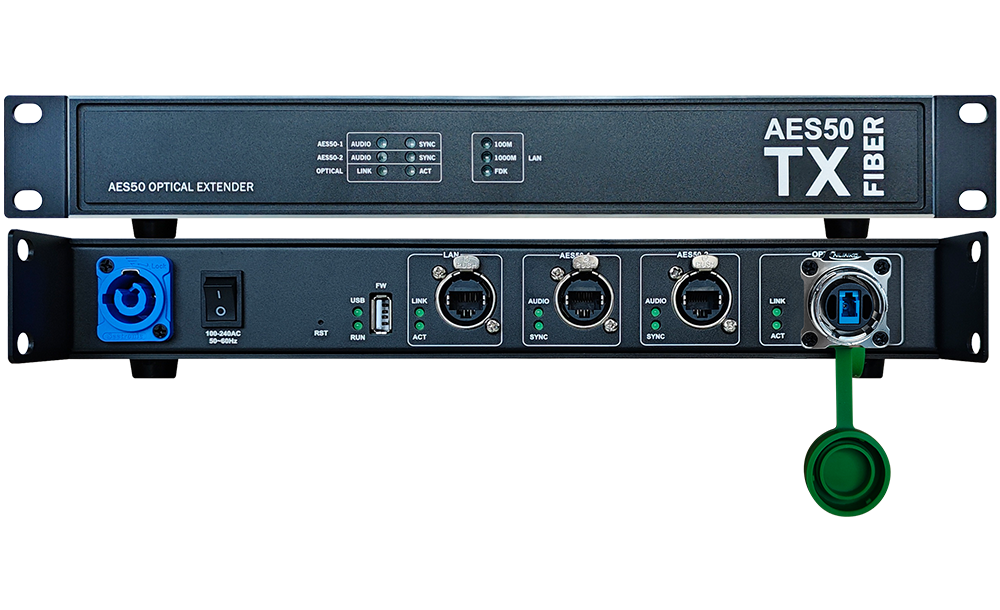 Dual Port Audio Fiber Optic Extender
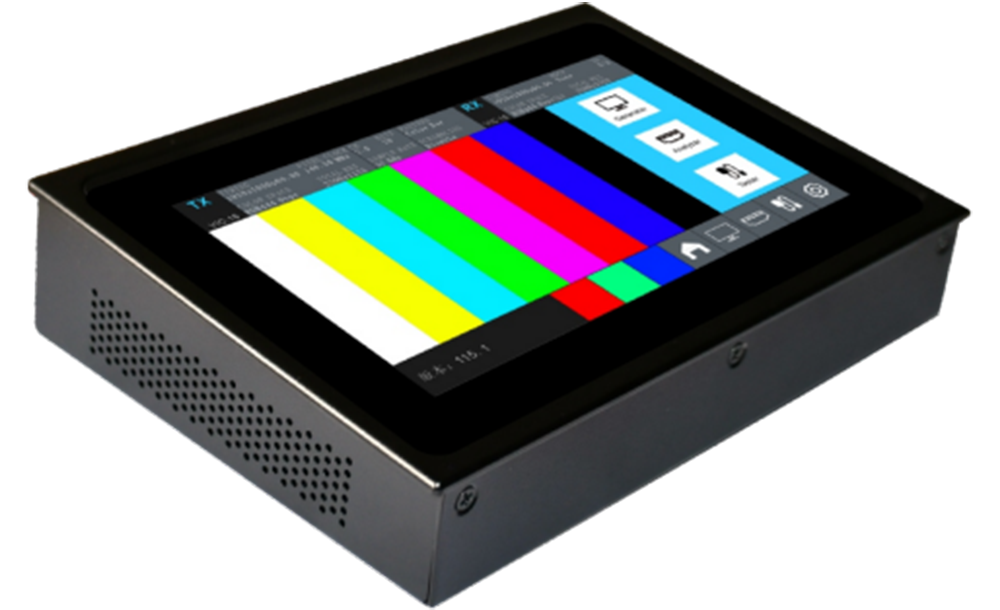 Signal Generator & Analyzer
 PCB Design
 PCBA Design
 Scheme Design
Riding the Wave of High-Speed Rail Hubs,
Forging a Brand-New Vision for Smart Travel!
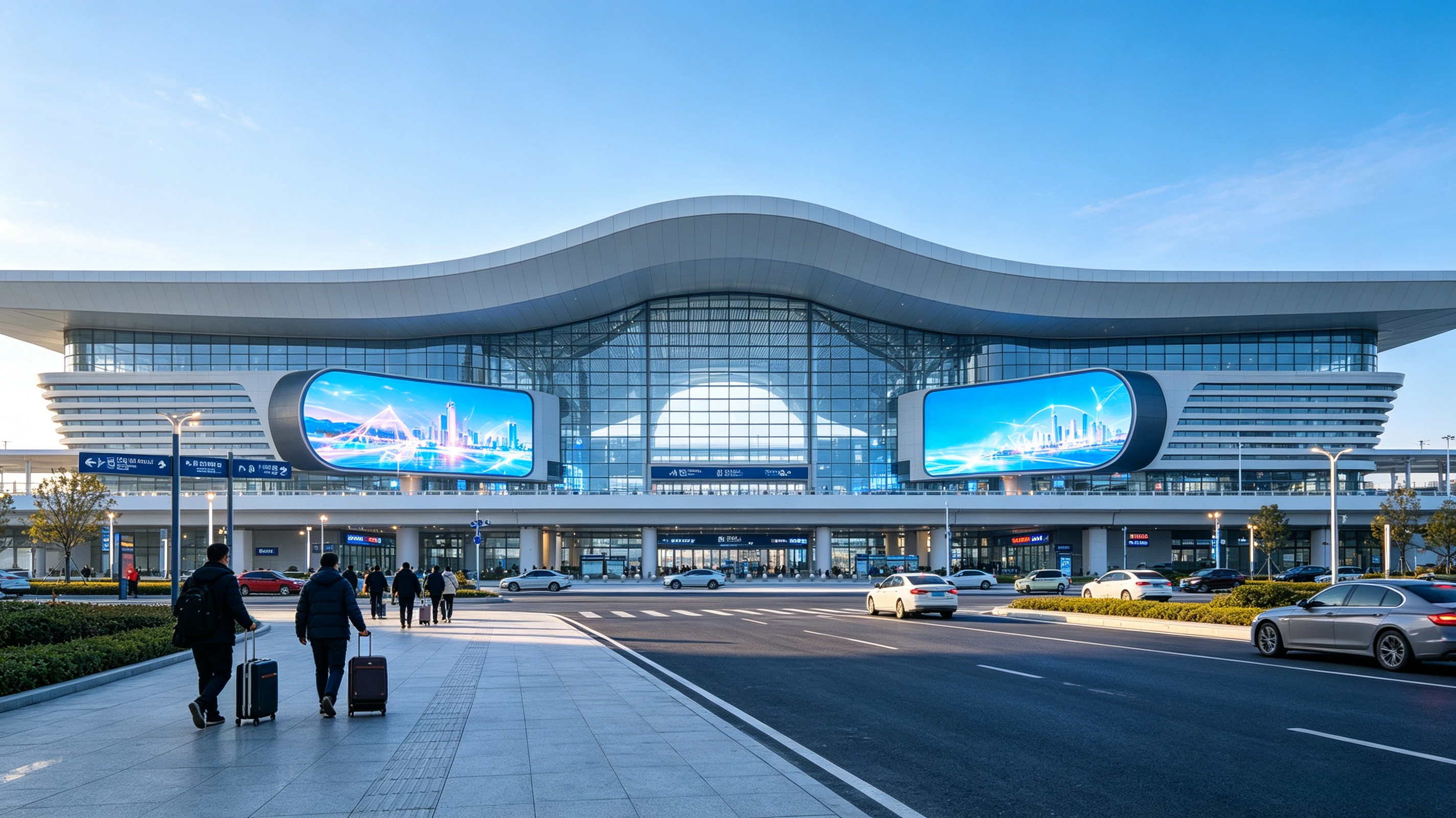
As urban transportation gateways, high-speed rail hubs bear the travel trajectories of tens of millions of passengers. They serve as core venues for showcasing urban images, delivering travel information, and stimulating commercial traffic. Amoonsky delivers a full-set control solution for full-area LED display projects at large comprehensive domestic high-speed railway stations. The project encompasses fully operational screen zones that have been lit and put into use, as well as screen bodies under phased night construction. The total controlled pixels of the entire project exceed 120 million. It builds a digital visual network for high-speed rail stations with stable image quality and integrated management control.
The station's exterior wall features two 75㎡ P2 LED screen, controlled by 4 AMS-EX2000system.
Giant Curved Welcome LED Screen in the Entrance Hall
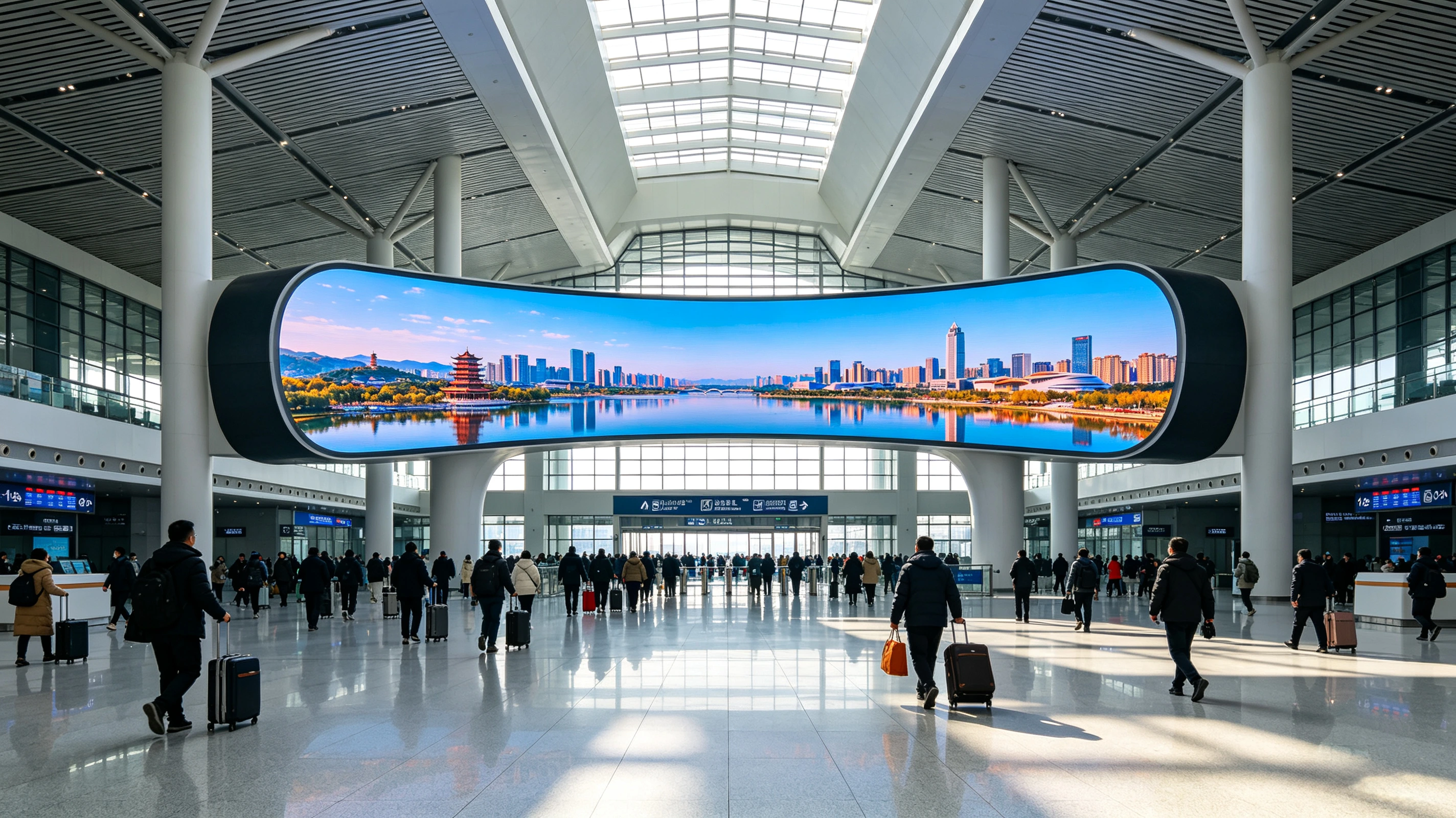
A landmark curved creative screen at the main entrance, covering a total area of 15㎡ with a P2 pixel pitch. Facing the main passenger flow passage, it loops city cultural tourism promotional videos, high-speed rail travel guides, and holiday public welfare posters. The entire screen set is equipped with 1 AMS-EX1200 controllers, delivering tear-free and evenly colored images. It automatically brightens under strong daylight and dims softly at night, standing as the primary visual landmark of the high-speed rail station.
Vertical Pillar Train Schedule Guidance Screens in Waiting Hall
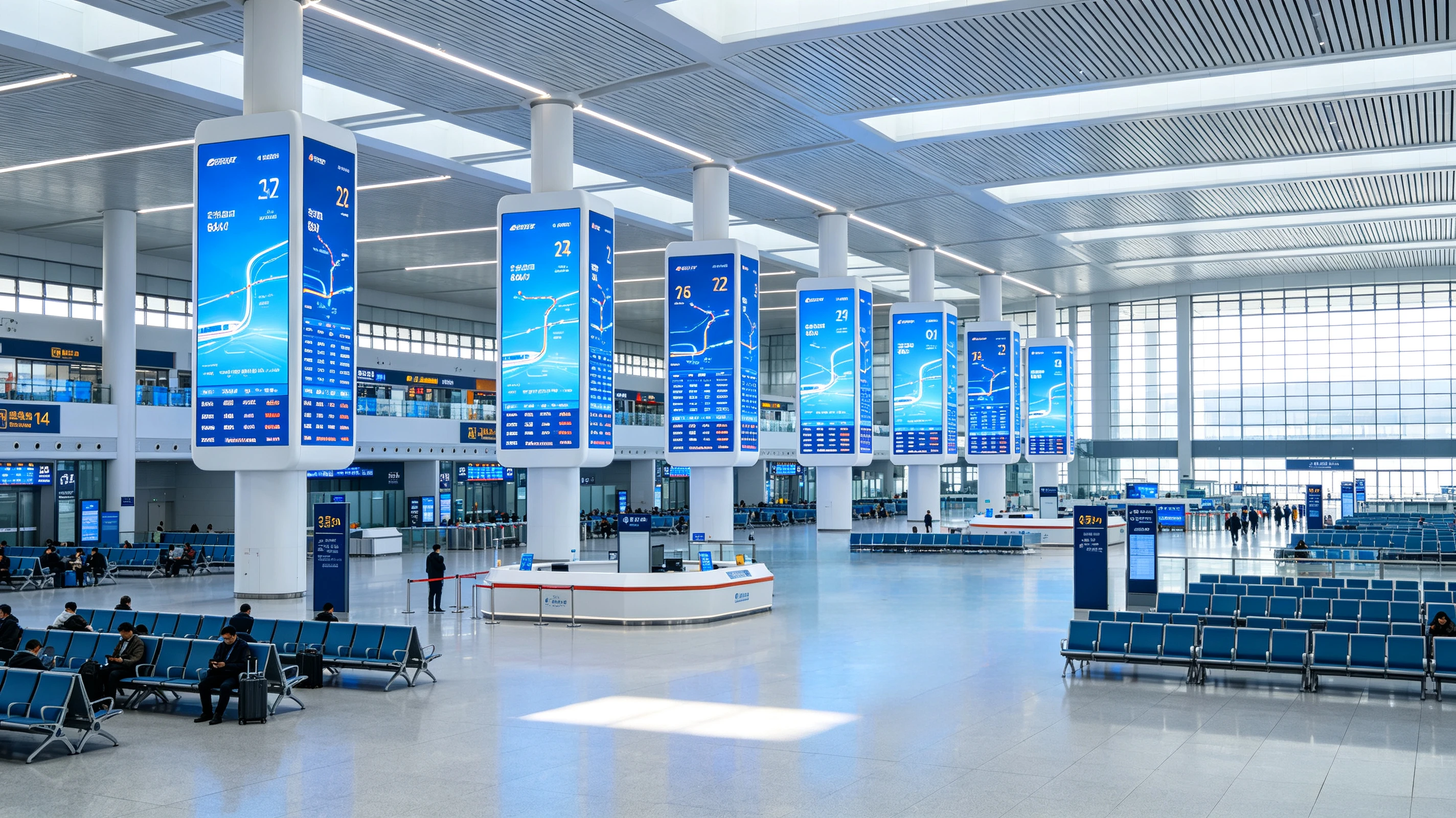
7 sets of vertical single-pillar high-definition information screens in the waiting hall with P2 fine pixel pitch. Connected to the railway passenger transport system, they synchronize real-time data including train schedules, ticket checking gates, delay alerts and platform changes. Each screen is equipped with an AMS-VS1 controller, with a total of 28 units deployed. Texts remain sharp and legible from long distances, and multi-line train schedules can be displayed simultaneously across split screens, greatly reducing passenger consultation workload.
Double-Sided Slim Advertising Screens at Security Checkpoints
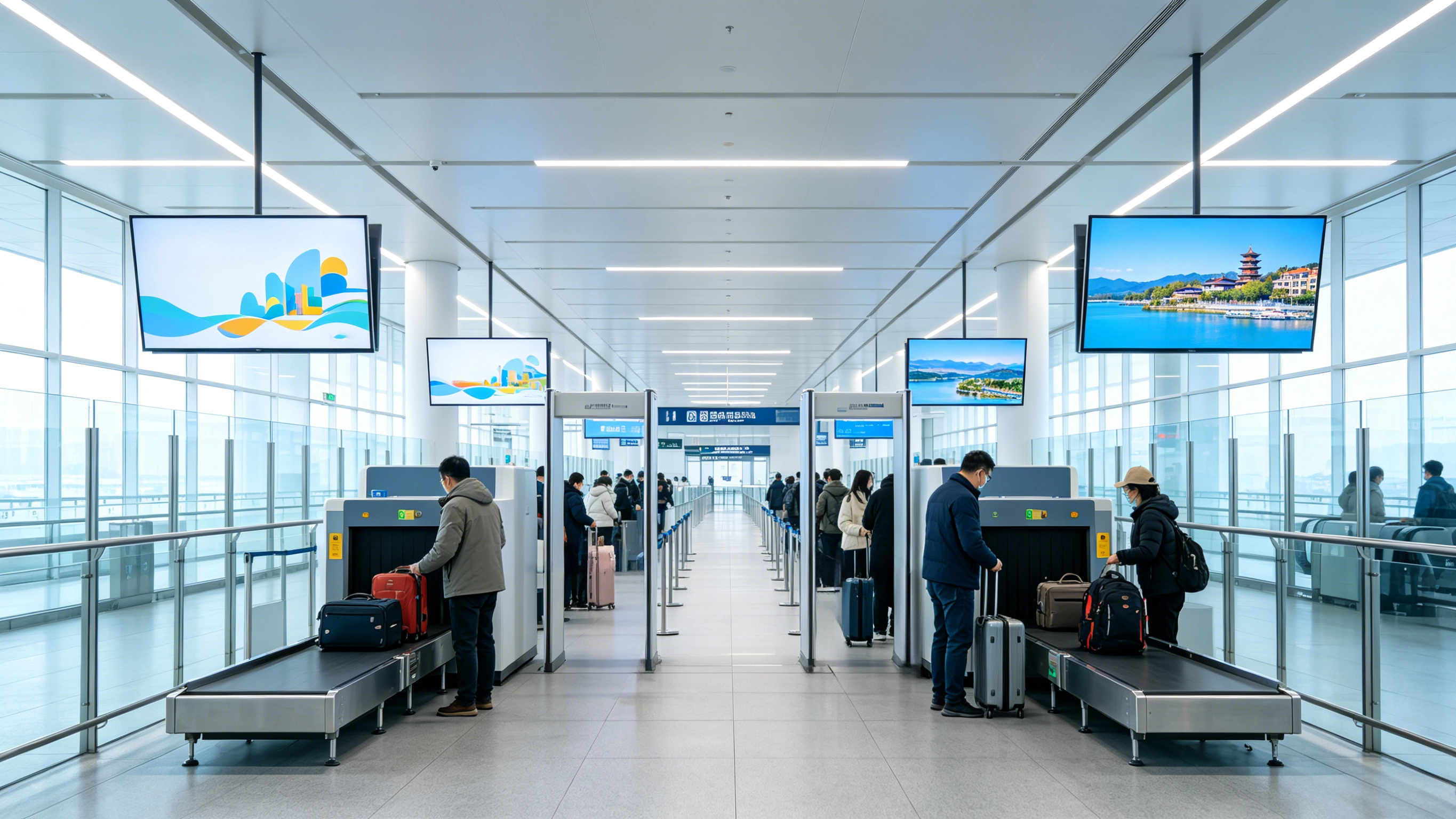
6 sets of P1.2 double-sided ultra-thin LED screens hung on both sides of security lanes, enabling bidirectional visibility for incoming and outgoing passengers. Each screen is paired with AMS-VS1 controller. During fragmented waiting periods, advertisements for local shopping districts, hotels and scenic spots are played, realizing dual empowerment of information service and commercial operation. The ultra-slim screen design avoids blocking passenger circulation routes.
Surrounding Cylindrical Creative Screens in Transfer Corridors
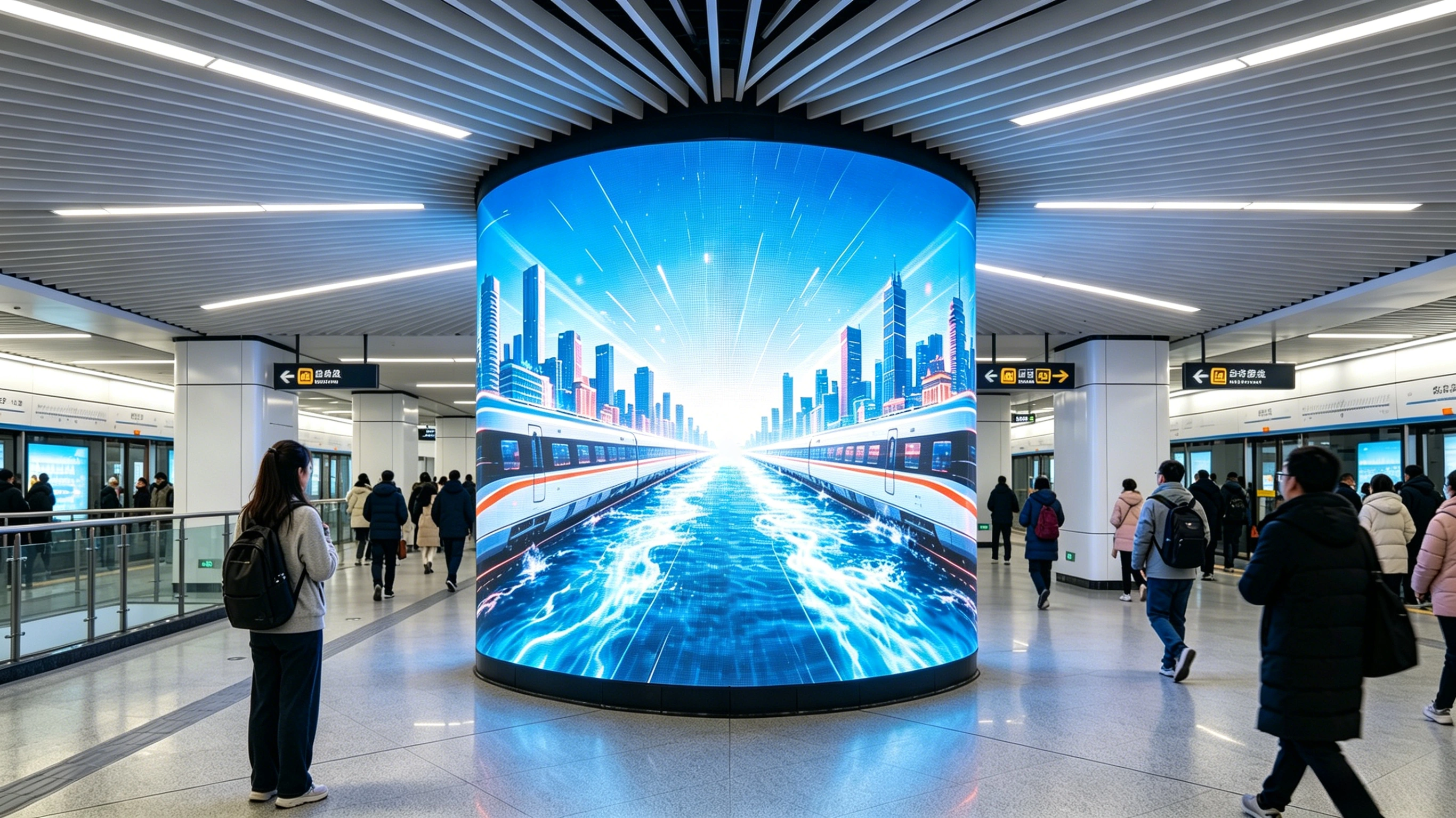
Seamlessly spliced surrounding pillar screens at the interchange connecting metro lines, adopting ultra-fine P1.2 pixel pitch. It supports 360° stereoscopic imaging, and naked-eye 3D dynamic visuals attract transferring passengers. The full set of special-shaped pillar screens is uniformly managed by 2 AMS-EX2000 controllers, with no light and shade discontinuities on spliced curved surfaces, making it a popular photo-worthy visual installation inside the station.
Cultural Promotion Screens in the Exit Corridor
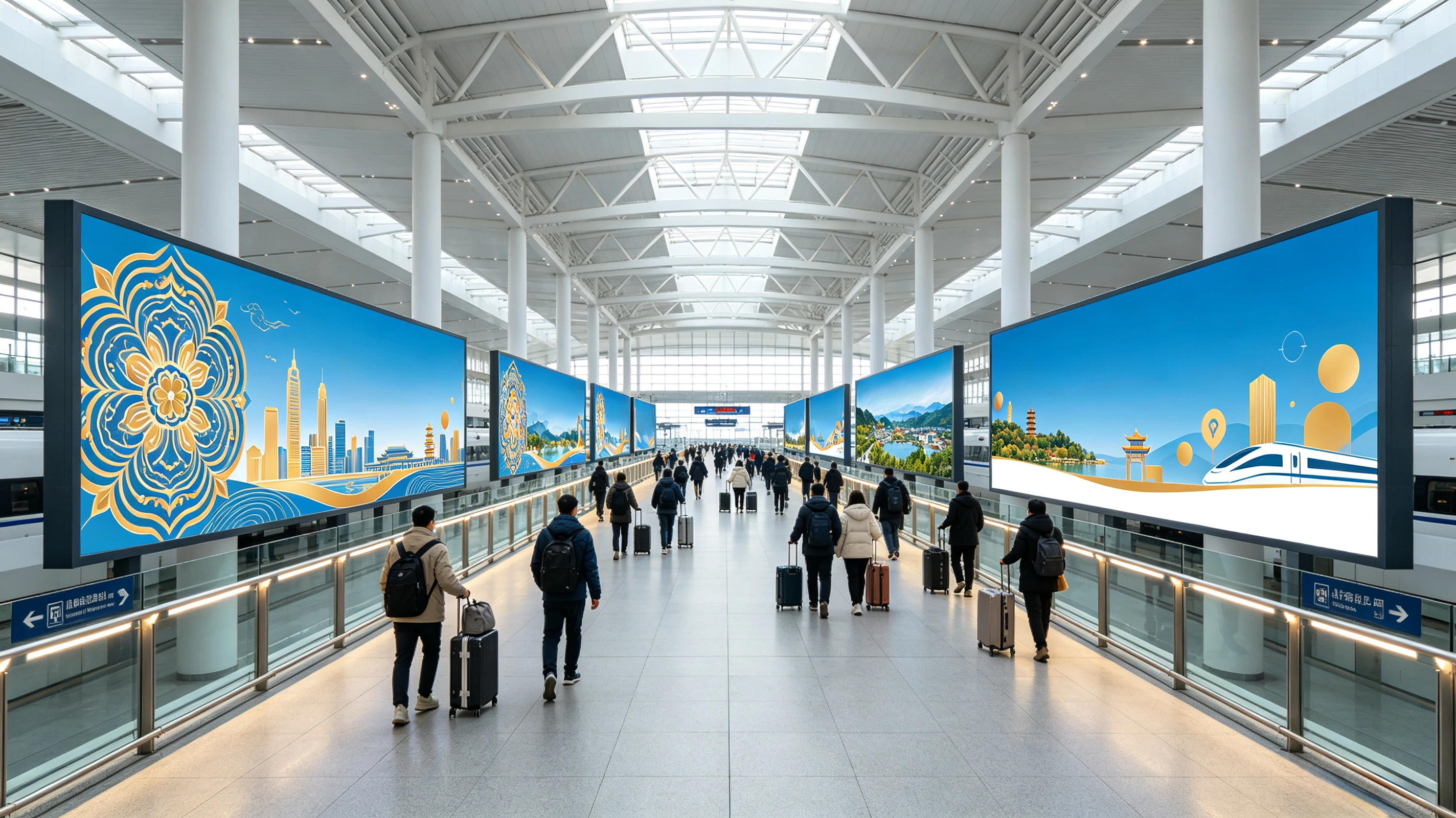
The corridor features 8 high-definition, long advertising screens P2 specification, centrally controlled by 8 AMS-EX1200 systems. These screens regularly display information on the city's intangible cultural heritage, cultural tourism attractions, and transportation convenience policies. They also display public service announcements and brand advertisements, providing travelers with a promotional window at the exit.